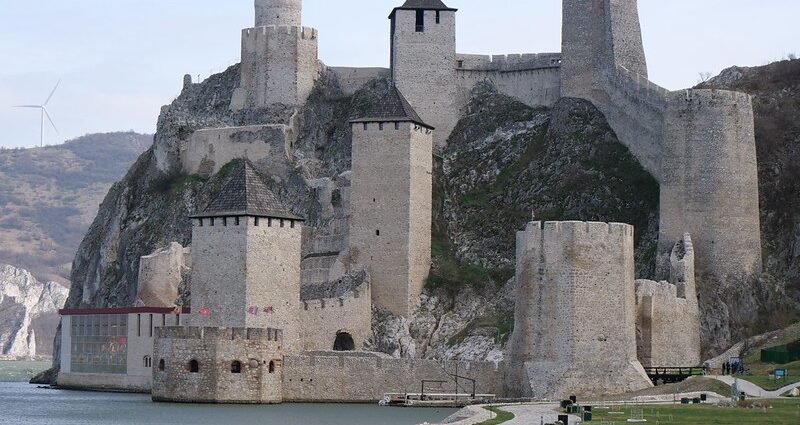
In 2026, Serbia has firmly established itself as a premier destination for both retirees and digital nomads, offering a rare European combination of high quality of life, low cost of living, and a remarkably welcoming social atmosphere.
Why Serbia? The Core Appeal
Serbia is often cited as one of the most budget-friendly countries in Europe. While many Western European nations face rising costs, Serbia offers a “Western lifestyle” at a fraction of the price.
- Affordability: Expenses for a single person average roughly €600–€750 per month (excluding rent).
- Safety: Consistently ranked as safer than many major US and Western European cities. Petty crime is rare, and violent crime is even rarer.
- Infrastructure: Excellent internet connectivity (averaging 60-150 Mbps) and a central European location that makes it a perfect hub for travel to nearby Italy, Greece, or Hungary.
- Hospitality: Serbians are famous for their gostoprimstvo (hospitality), and English is widely spoken in urban centers, especially among the younger generation.
Residency Pathways (2026)
Serbia does not have a single “Digital Nomad Visa” in the traditional sense; instead, it uses a Unified Permit or a Temporary Residence Permit based on specific grounds.
For Digital Nomads
Most nomads apply under the Self-Employment or Remote Work category.
- Income Requirement: Generally requires proof of approximately €3,500/month from foreign sources.
- Taxation: If you stay less than 183 days a year, you are typically not considered a tax resident. For longer stays, Serbia offers favorable flat-tax options for entrepreneurs.
- Process: Applications are now primarily electronic, with processing times ranging from 30 to 60 days.
For Retirees
There is no “Retirement Visa” category, but retirees typically gain residency through:
- Property Ownership: Buying real estate (of any value) is a valid basis for a renewable 1-to-3-year residence permit.
- Sufficient Funds: Showing a steady pension or bank savings sufficient to cover living expenses.
- Healthcare: Mandatory health insurance is required, but private plans are highly affordable (starting around €20–€100/month)
Top Destinations in Serbia
| City | Vibe | Monthly Cost (Est. Total) | Best For |
|---|---|---|---|
| Belgrade | Cosmopolitan, high-energy, 24/7 culture. | €1,200 – €1,600 | Socialites & Tech pros. |
| Novi Sad | Relaxed, “European Capital of Culture,” walkable. | €900 – €1,200 | Families & Slow-living. |
| Nis | Historic, famous for food, very affordable. | €600 – €850 | Budget-conscious & History buffs. |
| Subotica | Art Nouveau architecture, quiet, near Hungary. | €600 – €800 | Peace-seekers. |
Healthcare & Living Standards
Serbia’s healthcare system is two-tiered:
- Public: Universal coverage for residents/taxpayers, though wait times can be long.
- Private: Modern, efficient, and very inexpensive by Western standards. A specialist visit costs roughly €30–€50.
Pro Tip: In 2026, Serbia joined the EU4Health program, which has significantly increased funding and standards for both public and private medical facilities.
Sample Cost of Living (2026)
- 1-BR Apartment (City Center): €400 (Niš) – €800 (Belgrade)
- Dinner for Two (Mid-range): €35 – €45
- Monthly Transit Pass: €20 – €25
- High-speed Fiber Internet: €25
Testing